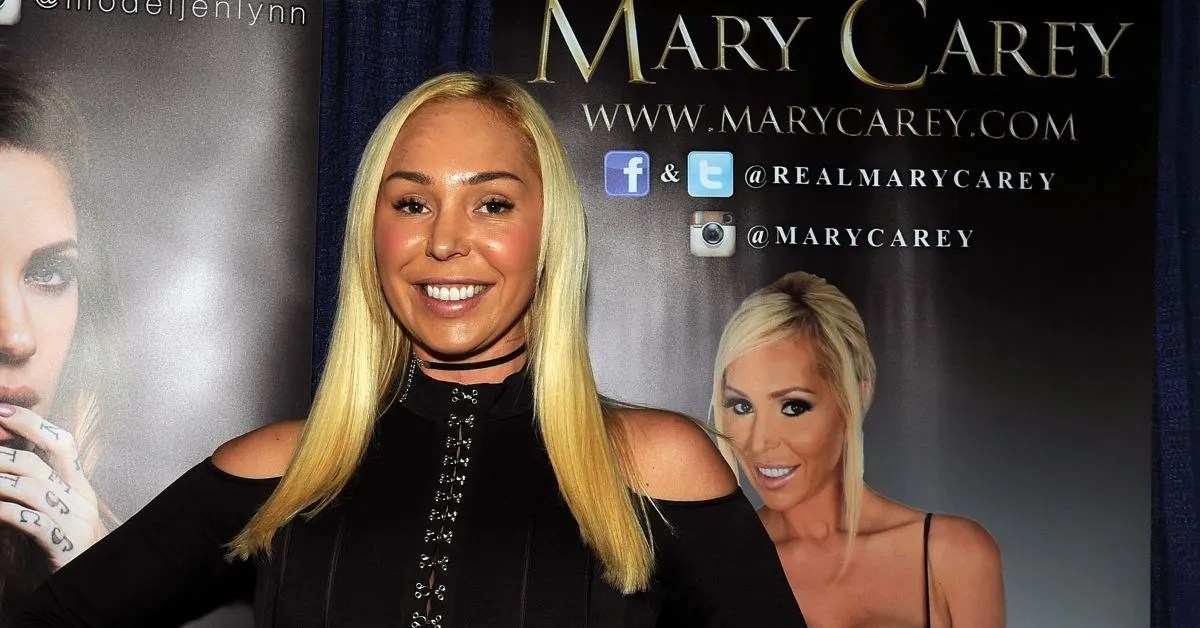
In an era where digital platforms have redefined the boundaries of fame, intimacy, and entrepreneurship, Mary Carey’s presence on OnlyFans emerges not merely as a career pivot but as a cultural statement. Once known primarily within the adult entertainment industry during the early 2000s, Carey has leveraged the democratization of content creation to reclaim narrative control, transforming her public persona into that of a self-sustaining digital entrepreneur. Her move to OnlyFans—like those of Pamela Anderson, Bella Thorne, and more recently, Blac Chyna—reflects a broader shift in how public figures, especially women with complex media histories, are monetizing authenticity in the post-traditional celebrity economy. Unlike the gatekept realms of film studios or tabloid journalism, platforms like OnlyFans offer unfiltered access, allowing stars to bypass intermediaries and engage directly with audiences seeking connection beyond the curated facade.
What distinguishes Carey’s approach is not just the content she shares, but the autonomy she embodies. At a time when conversations around body sovereignty, digital labor, and post-industrial celebrity are gaining urgency, her work challenges outdated stigmas about sex work, aging in the public eye, and female agency. She isn’t just selling content—she’s cultivating a community, one built on transparency, interaction, and mutual respect. This model mirrors larger trends in influencer culture, where parasocial relationships are increasingly monetized, but Carey’s trajectory adds a layer of historical context: she entered the spotlight during a period when adult performers were often marginalized, both legally and socially. Now, two decades later, she operates as her own CEO, marketer, and creative director—echoing the rise of the “personal brand” as a dominant force in modern media.
| Full Name | Mary Carey |
| Birth Name | Dana Marie Rusch |
| Date of Birth | December 15, 1980 |
| Place of Birth | San Diego, California, USA |
| Nationality | American |
| Profession | Adult Film Actress, Reality TV Personality, Entrepreneur, OnlyFans Creator |
| Active Years | 2000–present |
| Notable Works | AVN Award Nominations, “The Surreal Life” (2004), Political Campaigns (2003, 2006 California Gubernatorial Recall) |
| Platform | OnlyFans: marycarey |
| Social Media | Instagram, Twitter, YouTube |
The societal implications of Carey’s OnlyFans success are multilayered. On one hand, her visibility normalizes the idea that women, regardless of their past or profession, can exercise control over their image and income. On the other, it underscores the precariousness of digital fame—where sustainability depends on constant engagement, algorithmic favor, and the willingness to share increasingly personal dimensions of life. This duality echoes the experiences of mainstream celebrities like Kim Kardashian, who built empires on curated intimacy, or Chrissy Teigen, who monetizes candidness across platforms. Yet Carey’s journey is distinct: she never fully retreated from the public eye, instead evolving alongside the media landscape.
Moreover, her presence intersects with growing conversations about labor rights in the digital gig economy. OnlyFans creators, despite their earning potential, often lack the protections afforded to traditional workers—healthcare, contracts, legal recourse. Carey’s longevity suggests a level of business acumen that many newcomers lack, highlighting the need for structural support in this burgeoning sector. As of June 2024, OnlyFans reports over 2 million content creators, many of whom enter with hopes of replicating the success of high-profile figures. Carey’s sustained relevance offers a roadmap—not just for profitability, but for resilience in an industry where attention is fleeting and competition is global.
Ultimately, Mary Carey’s OnlyFans is more than a subscription page; it’s a testament to reinvention in the digital age, where narrative ownership, economic independence, and cultural visibility converge.
Joey Sullivan And The New Economy Of Digital Intimacy
Jamie Ray And The Shifting Landscape Of Digital Intimacy In The Modern Era
Pia Gollini And The New Wave Of Digital Intimacy: Redefining Autonomy In The Creator Economy