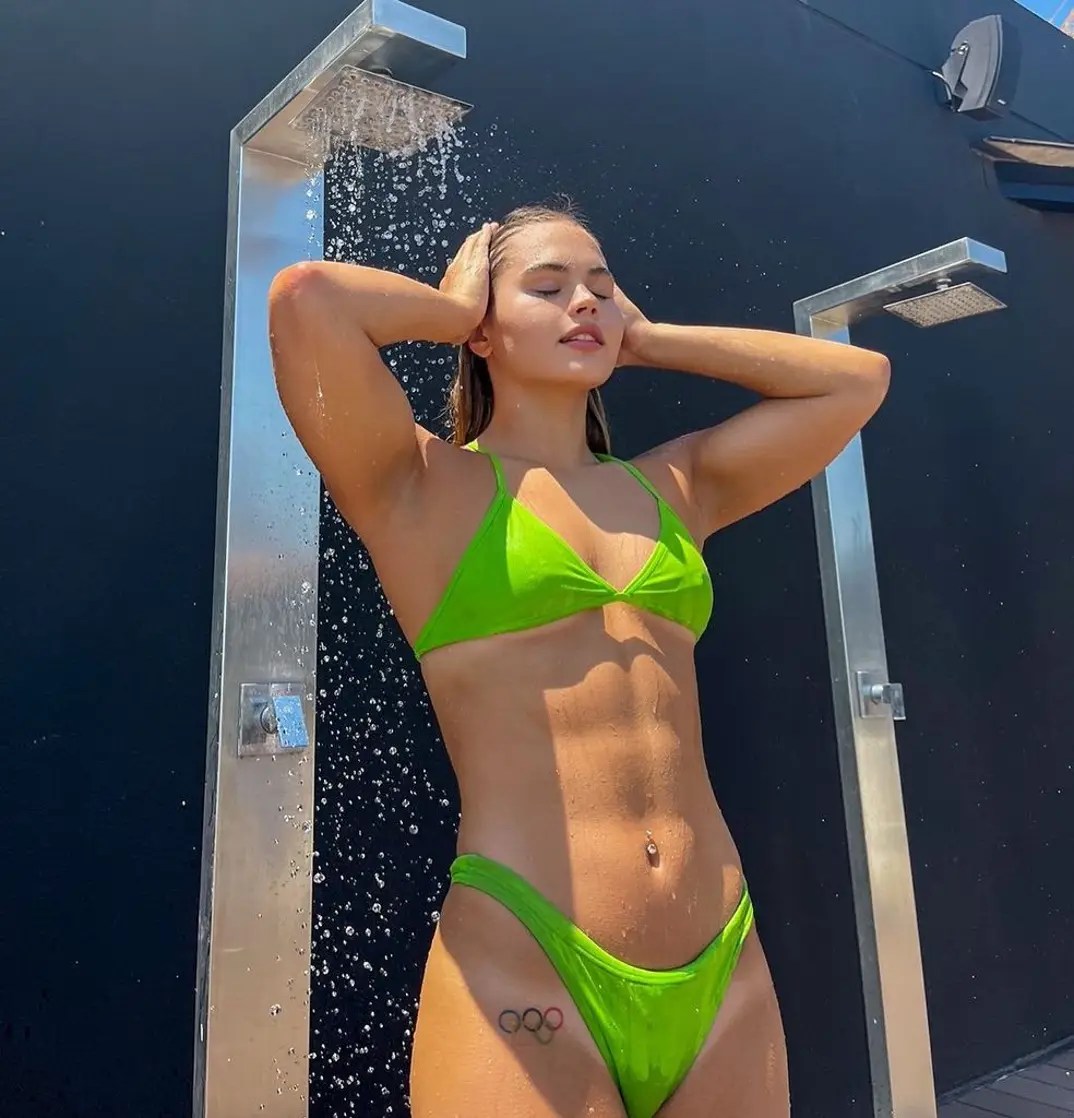
In 2024, the boundaries between traditional fame, athletic identity, and digital entrepreneurship continue to blur, with Luana Alonso emerging as a compelling case study in this evolution. Once recognized primarily as a competitive swimmer representing Paraguay on international stages, Alonso has transitioned into a figure at the center of a broader cultural conversation about autonomy, digital expression, and the monetization of personal brand. Her presence on platforms like OnlyFans—where she shares curated content that blends fitness, lifestyle, and adult material—reflects a growing trend among former athletes and public figures who are reclaiming control over their image and income in an era where social media dominance often outweighs institutional validation.
This shift is not isolated. In recent years, celebrities like Belle Delphine, Emily Ratajkowski, and even Olympic athletes such as Caster Semenya have navigated complex intersections of body politics, fame, and financial independence. Alonso’s move parallels that of other women who’ve leveraged their visibility into self-sustained digital empires, challenging outdated notions of what constitutes “appropriate” post-athletic careers. Unlike traditional media pathways, platforms like OnlyFans allow creators to bypass gatekeepers entirely, offering direct engagement with audiences while retaining a significant share of profits. For Alonso, this represents both a personal and economic repositioning—one that resonates with a generation skeptical of conventional fame structures.
| Bio Data | Information |
|---|---|
| Full Name | Luana Alonso |
| Date of Birth | June 13, 1994 |
| Nationality | Paraguayan |
| Profession | Former Competitive Swimmer, Content Creator |
| Known For | Representation in Olympic swimming; digital content creation |
| Education | Bachelor’s in Psychology, Florida International University |
| Notable Achievements | Competed in 2012 and 2016 Olympics; multiple South American Championship participant |
| Current Platform | OnlyFans, Instagram, YouTube |
| Official Website | www.luanaalonso.com |
The societal impact of such transitions cannot be understated. As more women in sports explore post-career avenues beyond coaching or commentary, the stigma once associated with adult content is being re-evaluated through lenses of empowerment and agency. Critics argue that platforms like OnlyFans exploit women under the guise of liberation, but supporters—including scholars of digital labor—emphasize the importance of consent, choice, and financial literacy. Alonso’s background in psychology adds another layer to this narrative, suggesting a mindful approach to self-presentation and audience interaction. Her content often includes wellness tips, body positivity messages, and reflections on mental health, blending the erotic with the educational in a way that aligns with contemporary feminist discourse.
Moreover, her journey reflects a larger industry trend: the decentralization of fame. Where once Olympic athletes relied on sponsorships from major brands, today’s stars build seven-figure incomes through subscriber models, merchandise, and personal branding. This transformation is democratizing, yet fraught with challenges around privacy, online harassment, and digital fatigue. As of June 2024, OnlyFans reports over 2.5 million creators globally, with increasing numbers from non-traditional backgrounds—artists, athletes, academics—entering the space.
Luana Alonso’s path underscores a pivotal moment in cultural history: the redefinition of what it means to be a public figure in the digital age. Her story isn’t just about content—it’s about context, control, and the quiet revolution of women owning their narratives, one post at a time.
Roxas Caelum And The Digital Reinvention Of Identity In The Age Of Content Monetization
Teresa OnlyFans Leak Sparks Debate On Privacy, Consent, And Digital Exploitation In The Age Of Content Monetization
Brooke Lee Adams And The Shifting Landscape Of Digital Intimacy In The Modern Era