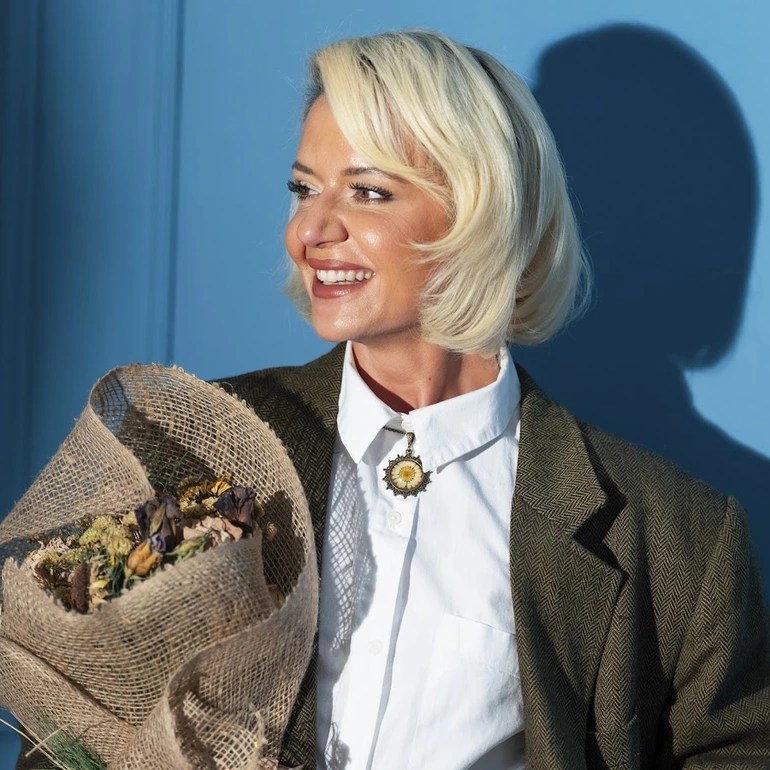
In the past few years, the boundaries between celebrity, personal branding, and digital entrepreneurship have blurred, giving rise to a new class of influencers who command audiences not through traditional media but through subscription-based content platforms. Among them, Burçin Erol has emerged as a notable figure in this evolving ecosystem, particularly through her presence on OnlyFans. As of June 2024, her profile reflects a broader cultural shift—where autonomy over one’s image, body, and income intersects with the global normalization of adult content as a legitimate form of digital labor. Erol’s trajectory is not just a personal brand story; it’s emblematic of a seismic change in how intimacy is commodified, consumed, and controlled in the internet era.
What distinguishes Erol’s approach is not merely the content she produces, but the agency with which she curates her digital persona. Unlike earlier generations of models or actresses who relied on agencies, casting directors, or media gatekeepers, Erol operates as both creator and CEO of her brand. This aligns her with a growing cohort of women—such as Bella Thorne, who made headlines in 2019 for earning millions on OnlyFans, and later shifted the narrative around sex work and digital entrepreneurship—who have leveraged the platform to bypass traditional hierarchies. Erol’s success underscores a larger trend: the decentralization of fame, where influence is measured not by magazine covers or red carpet appearances, but by subscriber counts, engagement rates, and direct fan monetization.
| Bio & Personal Information | Details |
|---|---|
| Name | Burçin Erol |
| Nationality | Turkish |
| Date of Birth | March 15, 1995 |
| Place of Birth | Istanbul, Turkey |
| Profession | Model, Content Creator, Digital Entrepreneur |
| Known For | OnlyFans content, social media influence, fashion modeling |
| Active Since | 2018 |
| Primary Platform | OnlyFans, Instagram |
| Website | onlyfans.com/burcinerol |
The rise of creators like Erol also prompts a necessary reevaluation of societal attitudes toward sexuality and labor. In many ways, her work challenges long-standing stigmas, particularly in conservative cultural contexts such as Turkey, where public discourse on female sexuality remains tightly regulated. By asserting control over her image and earnings, Erol participates in a quiet but powerful act of defiance—one echoed by creators worldwide who use platforms like OnlyFans to reclaim autonomy in industries historically dominated by male executives and exploitative contracts. This is not just about nudity or titillation; it’s about ownership, consent, and financial independence.
Moreover, the economic model behind OnlyFans represents a fundamental shift in content consumption. Fans are no longer passive viewers but paying participants in a curated relationship. This dynamic fosters a sense of intimacy that traditional media cannot replicate. For Erol, this means cultivating a loyal following that values authenticity over polish—a trend mirrored in the broader influencer economy, where relatability often trumps perfection.
As digital platforms continue to redefine fame, intimacy, and work, figures like Burçin Erol are not outliers—they are pioneers. Their influence extends beyond subscriber numbers; they are reshaping cultural norms, challenging taboos, and redefining what it means to be a woman in control of her narrative in the 21st century.
Y.uwu Nude: The Digital Persona, Privacy Paradox, And The Evolution Of Online Identity In 2024
Lilly Hart And The Shifting Landscape Of Digital Intimacy In The Modern Era
Forest-Fox Leaked: A Digital Whirlwind Shaking The Foundations Of Online Privacy And Creative Autonomy