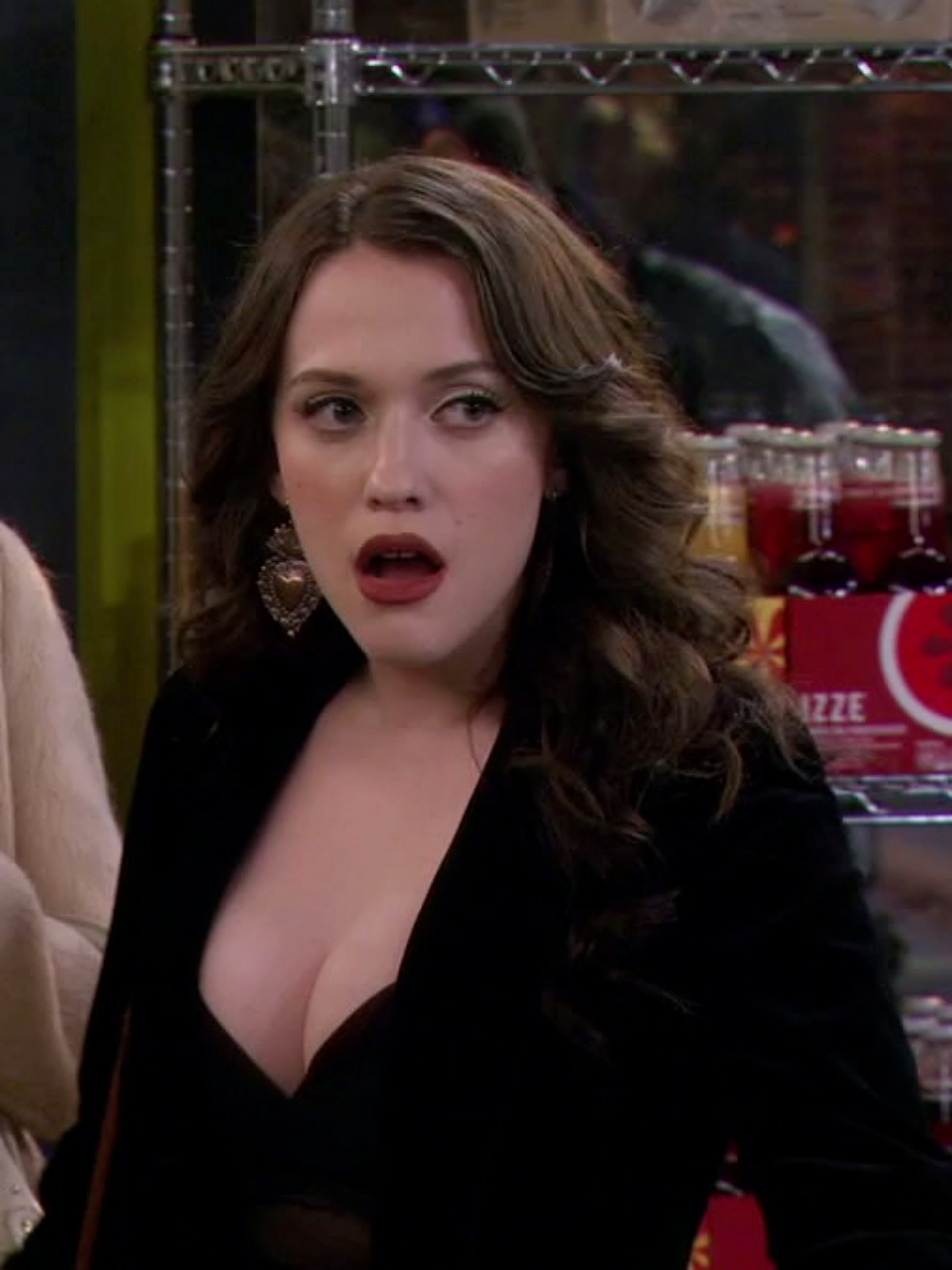
The digital age has ushered in unprecedented creative possibilities, but it has also birthed a disturbing underbelly—deepfake pornography. Among the latest wave of victims is actress Kat Dennings, known for her sharp wit and standout roles in films like *Thor* and the television series *2 Broke Girls*. Recent reports and online monitoring groups have identified an alarming surge in AI-generated explicit content featuring Dennings’ likeness, despite her having no involvement or consent. These synthetic videos, indistinguishable to the untrained eye, are not just technological parlor tricks—they are violations of privacy, identity, and personal autonomy. As artificial intelligence becomes more accessible, the boundary between reality and digital fabrication blurs, raising urgent ethical, legal, and societal questions.
The proliferation of deepfake porn is not isolated to Dennings. Celebrities like Scarlett Johansson, Taylor Swift, and Emma Watson have previously spoken out against non-consensual AI-generated imagery, with Johansson famously stating, “It’s a nightmare of our time.” What makes this phenomenon particularly insidious is its scalability and stealth—malicious actors can generate hundreds of fake clips in minutes using open-source AI tools, distributing them across encrypted platforms and mainstream social networks alike. Unlike traditional forms of harassment, deepfakes exploit the trust we place in visual evidence. A single convincing clip can damage reputations, incite online abuse, and inflict psychological trauma. For actors like Dennings, whose public persona is intrinsically tied to their image, the stakes are profoundly personal and professional.
| Category | Information |
|---|---|
| Name | Kat Dennings |
| Birth Name | Katherine Villareal Litwack |
| Birth Date | June 18, 1986 |
| Birth Place | Philadelphia, Pennsylvania, USA |
| Nationality | American |
| Occupation | Actress |
| Years Active | 1997–present |
| Notable Works | 2 Broke Girls, Thor, Godzilla: King of the Monsters, Dollface |
| Education | Homeschooled; studied acting in New York |
| Awards | Teen Choice Awards, Critics’ Choice Television Award nominations |
| Official Website | IMDb Profile |
The entertainment industry, long accustomed to paparazzi and invasive media, now faces a new frontier of digital exploitation. Unlike physical intrusions, deepfakes operate in the virtual realm, often beyond the reach of existing legal frameworks. While some U.S. states, including Virginia and California, have enacted laws criminalizing non-consensual deepfake pornography, enforcement remains inconsistent and jurisdictionally limited. Federal legislation lags behind technological innovation. Meanwhile, platforms like Reddit, Telegram, and certain fringe websites continue to host such content under the guise of “parody” or “free speech,” exploiting loopholes that prioritize algorithmic engagement over human dignity.
This crisis reflects a broader societal vulnerability to synthetic media. As AI tools become democratized, the potential for misuse extends beyond celebrities to everyday individuals—revenge porn, political disinformation, and corporate sabotage are all within reach. The psychological toll on victims is well-documented: anxiety, depression, and a pervasive sense of helplessness. For public figures like Dennings, the violation is amplified by their visibility; their image is not just personal but also a professional asset. The unauthorized use of their likeness in explicit content undermines their agency and commodifies their identity without consent.
Combatting this requires a multi-pronged approach: stricter regulation, platform accountability, digital watermarking of AI-generated content, and public education. Tech companies must prioritize ethical AI development, integrating consent protocols and detection mechanisms. As of April 2025, advocacy groups like the Deepfake Defense Fund and the Cyber Civil Rights Initiative are pushing for federal legislation that would classify non-consensual deepfakes as a form of digital assault. Until then, the images of women like Kat Dennings remain vulnerable—digital ghosts in a machine that too often values novelty over humanity.
The Cultural Frenzy Around Taboo Fantasies: Reexamining The 'My Friend’s Mom' Trope In Modern Digital Erotica
Pornos Puerto Rico: The Rise Of An Unseen Entertainment Hub In The Digital Age
India’s Evolving Campus Culture: Youth, Sexuality, And The Silent Revolution